Upsolve Review: File Bankruptcy for Free?
Upsolve claims you can file Chapter 7 bankruptcy for free. Is it legit? Here’s our honest review of the platform.
Upsolve claims you can file Chapter 7 bankruptcy for free. Is it legit? Here’s our honest review of the platform.
Discharging student loans in bankruptcy is harder than other debt — but it’s not impossible. Here’s what the law says in 2026.
$1,738 — Average attorney fee for Chapter 7 in 2024 — DIY saves this entire amount $338 — Federal court filing fee for Chapter 7 (waivable for low-income filers) 3–6 mo — Typical time from filing to discharge for straightforward Chapter 7 cases 96% — Chapter 7 cases resulting in discharge when properly filed (USCOURTS…
Worried about losing your car when filing bankruptcy? Here’s exactly what happens to vehicles in both Chapter 7 and Chapter 13.

Bankruptcy is a powerful legal tool — but it’s not always the right first step. Depending on the type and amount of your debt, your income, and your financial goals, several alternatives may achieve debt relief with fewer consequences. This guide examines 7 alternatives to bankruptcy honestly, including when each works and when bankruptcy is…
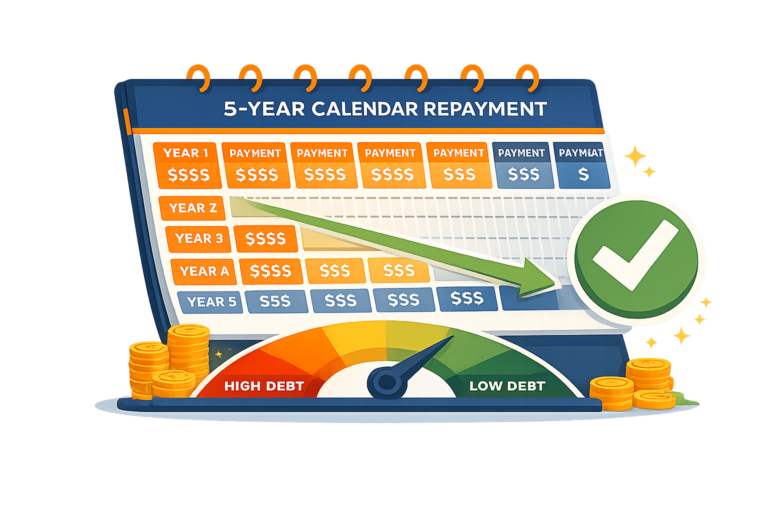
Chapter 13 is called the “wage earner’s plan” because it requires regular income to fund a repayment to creditors over 3–5 years. It’s more complex than Chapter 7, but for people who want to save their home from foreclosure, protect non-exempt assets, or can’t qualify for Chapter 7, it’s an essential tool. This guide explains…

Yes — you can file bankruptcy without a lawyer. This is called “pro se” representation (Latin for “for oneself”), and it is your legal right under federal law. Thousands of people successfully file Chapter 7 pro se every year, saving $1,000–$3,500 in attorney fees. But pro se filing isn’t right for every situation. This guide…

Wage garnishment can take up to 25% of your disposable income from every paycheck — often with little advance warning. But garnishment is not unstoppable. This guide covers every legal method to stop it, from bankruptcy’s immediate automatic stay to court challenges and creditor negotiations. ⚡ Fastest Stop: Filing for bankruptcy — even just the…
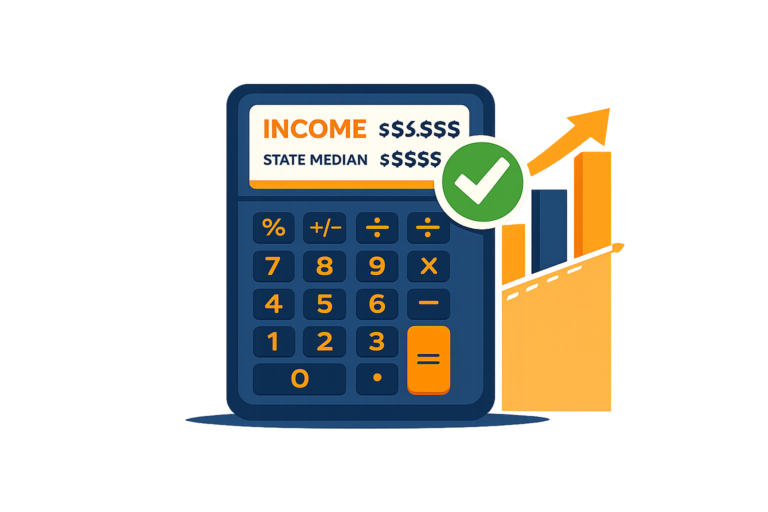
The means test is the calculation that decides whether you qualify for Chapter 7 bankruptcy or are pushed toward Chapter 13 instead. It’s formulaic, based on official government figures, and you can generally work through it yourself before deciding whether to file. Here’s exactly how it works. Who has to take it The means test…

Chapter 7 and Chapter 13 are the two personal bankruptcy chapters, and choosing between them is the single biggest decision most filers make. They work in fundamentally different ways — one wipes out debt quickly by liquidating what’s not exempt, the other reorganizes it into a multi-year repayment plan. Here’s how to tell which one…